



Introduction
Some destinations offer beautiful views, while others leave a lasting impression on the soul. Tiruvannamalai belongs to the second category.
Located in Tamil Nadu, Tiruvannamalai has attracted saints, devotees, philosophers and spiritual seekers for centuries. At the centre of this sacred destination stands Arunachala Hill, regarded as a powerful symbol of Lord Shiva and inner awakening.
Imagine arriving before sunrise, seeing the outline of Arunachala against the brightening sky and hearing temple bells in the distance. As devotees quietly begin Girivalam, the atmosphere encourages you to slow down, turn inward and reconnect with yourself.
Whether you seek devotion, meditation, clarity or relief from a demanding lifestyle, here are seven powerful reasons to visit Tiruvannamalai.
1. Experience the Sacred Presence of Arunachala Hill
Arunachala is more than a geographical landmark. Devotees regard the hill itself as a manifestation of Lord Shiva in the form of fire.
The name combines “Aruna,” associated with red or radiant light, and “Achala,” meaning immovable mountain. Together, they represent the steady light of spiritual awareness.
Unlike destinations that require a rigid spiritual programme, Tiruvannamalai allows you to create a personal experience. You can sit silently facing the hill, meditate at sunrise, chant prayers or simply observe your thoughts without distraction.
This freedom makes Arunachala meaningful for both devoted pilgrims and people beginning their spiritual journeys.
2. Visit the Magnificent Arunachaleswarar Temple
A spiritual journey to Tiruvannamalai remains incomplete without visiting the Arunachaleswarar Temple.
The temple is one of the Pancha Bhoota Sthalams, the five Shiva temples associated with the elements of nature. Tiruvannamalai represents Agni, or fire, symbolising transformation, knowledge and the destruction of ignorance.
According to the Tiruvannamalai District Administration, the temple complex covers approximately 25 acres and contains over 450 stone inscriptions, more than 1,000 statues and numerous shrines. Its eastern Rajagopuram rises to around 217 feet.
Beyond these impressive numbers, the temple offers a deeply devotional atmosphere. The lamps, ancient stone corridors, sacred chants and towering gopurams create an experience that engages every sense.
Visit during a quieter period if you want unhurried prayer and reflection. During major festivals, however, the temple reveals the extraordinary power of collective devotion.
3. Walk the Transformative Girivalam Path
Girivalam is the sacred practice of walking around Arunachala Hill. The official route is approximately 14 kilometres long and includes eight directional Shiva lingams, known collectively as the Ashta Lingams.
Thousands of devotees perform Girivalam on full-moon nights. However, spiritual seekers can walk the path on any day when they prefer a quieter and more contemplative experience.
The journey teaches an important spiritual lesson: transformation happens one step at a time. As the walk continues, external distractions gradually reduce, breathing becomes rhythmic and the mind often grows calmer.
To make your Girivalam meaningful:
- Begin early in the morning or later in the evening.
- Wear comfortable clothing and suitable footwear.
- Carry drinking water and travel light.
- Avoid rushing to complete the route.
- Pause respectfully at the eight lingams.
- Maintain silence or repeat a personal mantra.
The official Girivalam guide confirms that the path is 14 kilometres long and identifies the eight lingams situated around Arunachala.
4. Discover the Teachings of Ramana Maharshi
Tiruvannamalai is internationally connected with Bhagavan Sri Ramana Maharshi, one of India’s most respected spiritual teachers.
Ramana Maharshi arrived at Arunachala in 1896 and remained there for the rest of his life. His central teaching, Self-Enquiry, invites seekers to repeatedly ask, “Who am I?” Rather than offering a purely intellectual answer, the practice directs attention towards the source of thought and personal identity.
Sri Ramanasramam, situated at the foot of Arunachala, welcomes visitors from different backgrounds. According to the official Sri Ramanasramam website, Ramana Maharshi lived in Tiruvannamalai for 54 years until his samadhi in 1950.
Visitors can meditate in the ashram, explore his teachings and experience an environment shaped by simplicity and silence. Virupaksha Cave and Skandashram, both associated with his life, also attract seekers prepared for a reflective hill walk.
5. Reconnect With Silence and Simplicity
Modern life constantly demands attention. Notifications, deadlines and responsibilities leave very little space for quiet reflection.
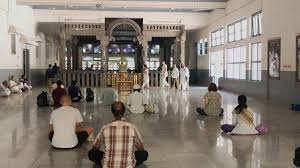
Tiruvannamalai offers a different rhythm. Here, a simple morning can include temple darshan, meditation, a peaceful meal and time spent observing Arunachala. This slower routine helps many visitors recognise which parts of life truly deserve their energy.
You do not need advanced meditation experience to benefit from the destination. Begin with ten minutes of silence, write your thoughts in a journal or spend time away from your phone. Even small changes can create valuable inner space.
6. Witness the Divine Energy of Karthigai Deepam
Karthigai Deepam is one of Tiruvannamalai’s most significant spiritual celebrations. During the festival, a great flame is lit on the summit of Arunachala Hill, representing Shiva as infinite light.
Large numbers of devotees gather to witness the Maha Deepam, visit the temple and perform Girivalam. The experience combines devotion, tradition and community on an unforgettable scale.
If you prefer peaceful meditation, visit outside major festival dates. However, if you want to experience Tiruvannamalai’s collective spiritual energy, plan your journey around Karthigai Deepam or a Pournami Girivalam.
Since accommodation demand rises sharply during important occasions, reserve your stay early.
7. Create a Spiritual Journey That Feels Personal
The greatest strength of Tiruvannamalai is its flexibility. The destination does not force every visitor to follow the same spiritual path.
A devotee may focus on temple worship. A meditator may spend time at Sri Ramanasramam. Another traveller may complete Girivalam, journal quietly and return home with a clearer mind.
For a balanced two-day journey, consider this plan:
Day One: Arrive, rest, visit Arunachaleswarar Temple and spend the evening observing Arunachala.
Day Two: Begin Girivalam early, visit Sri Ramanasramam and reserve the afternoon for meditation or personal reflection.
Choosing comfortable accommodation in Tiruvannamalai, such as Ellora Hotels, can help you rest properly between these spiritually meaningful experiences.
Frequently Asked Questions
Why is Tiruvannamalai spiritually powerful?
Devotees regard Arunachala Hill as a manifestation of Lord Shiva. The destination is also connected with ancient temple traditions, Girivalam and the teachings of Ramana Maharshi.
How long does Girivalam take?
The route covers approximately 14 kilometres. Completion time depends on walking speed, crowd levels and the number of prayer stops made along the way.
Is Girivalam performed only on full-moon days?
No. Although Pournami is especially significant, visitors can perform Girivalam on other days for a quieter experience.
What is the best time to visit Tiruvannamalai?
The cooler months generally provide more comfortable conditions for walking and sightseeing. Festival periods offer powerful collective energy but also attract larger crowds.
How many days are sufficient for a spiritual trip?
Two days are suitable for the temple, Girivalam and Sri Ramanasramam. A three-day stay provides more time for meditation and nearby spiritual locations.
Can beginners visit Sri Ramanasramam?
Yes. Visitors do not need previous experience with meditation or Self-Enquiry. Respectful behaviour and openness to silence are sufficient.
Conclusion
Tiruvannamalai is not simply a place to see—it is a destination to experience.
Arunachala Hill invites stillness. The Arunachaleswarar Temple inspires devotion. Girivalam builds discipline, while the teachings of Ramana Maharshi encourage profound self-reflection.
Most importantly, Tiruvannamalai gives every seeker space to experience spirituality personally. You may arrive with questions about purpose, peace or direction. Although the destination may not provide instant answers, it can create the silence in which meaningful answers begin to emerge.
If your mind has been asking for a pause, consider this your invitation. Plan your Tiruvannamalai spiritual journey, reserve a comfortable stay and allow Arunachala to guide you inward.